Should You Buy the Breville Oracle Jet in 2026? A Deep Dive
Introduction — why I decided to buy the Oracle Jet
I've been an espresso nerd for years: manual tamping experiments, dozens of grinders tried, and a fair share of café visits. In late 2025 I decided to upgrade my home setup and bought the Breville Oracle Jet. I wanted something that combined the hands-on control I enjoy with reliable automation for weekday mornings. After using it for about six months, I wanted to share an honest, practical account of what living with the Oracle Jet is like — the things I loved, the things that annoyed me, and whether it makes sense for different kinds of buyers in 2026.
First impressions and unboxing
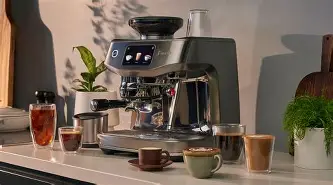
Out of the box the Oracle Jet felt hefty and well-built. The stainless-steel chassis gives it a premium, almost commercial look that dominates my counter (more on footprint later). Setting it up was straightforward: fill the reservoir, plug in, and run through the initial rinse and heat-up. The user interface is a mix of physical controls and a small display: intuitive enough that I could dial in a basic shot the same day I unboxed it, but there's a learning curve if you want to take advantage of temperature and pressure tweaks.
Design and build quality
In my experience, the build quality is one of the machine's strongest points. The portafilter, grouphead, and steam wand feel robust and serviceable. I appreciated the weight — it communicates solidity — and the finish has held up against fingerprints and steam. The drip tray and water reservoir are easy to remove and replace for cleaning. That said, because it's substantial, it demands a permanent home on a sturdy counter. I regretted my initial placement: the machine's footprint meant moving other appliances and reorganizing my kitchen space.
Daily use — espresso and milk performance
What I used the Oracle Jet for most was two-shot espressos and steamed milk for lattes and flat whites. After some dialing in, the machine consistently produced balanced shots with good crema. The key advantages I found were:
- Temperature stability: The shots were remarkably consistent day to day. I rarely had to re-tweak settings beyond minor grind adjustments when switching beans.
- Integrated grinder and dosing: The built-in grinder took up less counter space than a separate grinder and offered convenient dose control. It wasn't the absolute quietest grinder I've owned, but it was fast and consistent.
- Steam performance: The steam wand produces strong, dry steam that texturizes milk quickly. I could make café-quality microfoam within 15–20 seconds once I got the technique right.
That said, not everything was perfect. I noticed a couple of real-world annoyances:
- It takes a few minutes to be ready from cold power-on. If you want an espresso the minute you wake up, you'll either leave it on or plan ahead.
- The grinder produced a small amount of retention (leftover grounds), which meant an occasional quick brush-out was needed between grinds to avoid stale grounds mixing with fresh doses.
- For the first month I experienced intermittent slight temperature overshoots during long steam sessions, which required a short cooldown between steaming and pulling shots to maintain ideal brew temps. After a firmware tweak (installed via a service visit) this improved.
Cleaning and maintenance: the real cost of ownership
One of the most practical things I learned in six months is that automated or semi-automated machines still require regular, sometimes tedious maintenance. In my experience the Oracle Jet asks for:
- Daily rinses and quick wiping of the steam wand after every milk use.
- Weekly backflush cycles with detergent if you're using pressurized baskets for maintenance — I prefer direct filter baskets and backflush weekly.
- Descaling every few months depending on local water hardness — I live in a moderately hard-water area and I used filtered water to stretch the interval between descaling.
- Occasional replacement of gaskets and a deep clean of the grinder chute every few months.
These tasks aren't unique to the Oracle Jet, but the machine's integrated components mean a servicing visit is a little more involved (and slightly more expensive) than owning a simple single-boiler home machine. I factored this into my ongoing ownership costs.
Sound, convenience, and the learning curve
Noise is something I care about, especially in a shared apartment. The Oracle Jet's grinder is louder than compact conical grinders, and the pump produces a noticeable hum during extraction. It's not disruptive in practice, but it's something to expect if you prepare coffee in the morning while others sleep.
On convenience: I've been surprised by how much time the Oracle Jet saved me on busy mornings. The automatic dosing and tamping (used on many passes) meant consistent shots without me fussing, and the powerful steam made milk prep fast. However, if you're the type who loves the ritual of dialing a manual machine every day, you'll still find room to tinker with the Oracle Jet — it offers manual modes and temperature/pressure adjustments for hands-on control.
Find top-rated Electronics products at great prices.
Shop Amazon →Reliability after six months
After half a year of near-daily use, I did have one issue: a slightly temperamental steam wand tip that partially clogged. It was an easy fix after soaking and a short soak-and-scrub routine, but it did require some troubleshooting that I didn't anticipate. Other than that, the machine has been robust: no leaking, no electrical glitches, and consistent heating performance once warmed up. I recommend keeping a basic toolbox (screwdriver, cleaning brush, replacement seals) handy if you plan on daily use.
Who is the Oracle Jet best for?
From my perspective the Oracle Jet is aimed at serious home baristas who want café-level drinks without full commercial complexity. It’s ideal if:
- You want reliable shot-to-shot consistency without owning separate high-end equipment.
- You value fast, powerful steam for frequent milk drinks (latte, cappuccino, flat white).
- You are willing to commit to regular maintenance and don't mind the machine's footprint.
It’s less suitable if you want something ultra-compact, nearly silent, or very low-maintenance. For casual coffee drinkers who want a simple pod-based or manual pour-over alternative, the Oracle Jet is more machine than necessary.
Comparison: Oracle Jet vs other popular home machines
| Feature | Breville Oracle Jet (my experience) | Breville Oracle Touch | Breville Barista Express |
|---|---|---|---|
| Automation | High — auto dosing/tamping with manual override | High — touchscreen-led automation | Moderate — manual tamping with built-in grinder |
| Consistency | Very consistent once dialed in | Consistent and user-friendly | Consistent but requires more manual control |
| Steam power | Strong — café-quality microfoam | Good — slightly less forceful | Good for home use, slower to texture milk |
| Size / Footprint | Large — needs permanent counter space | Large | More compact |
| Noise | Moderate-high (grinder noticeable) | Moderate | Moderate-high |
| Maintenance | Moderate — regular cleaning and occasional servicing | Moderate — similar needs | Moderate-low — simpler internals |
| Price (relative) | High — premium tier | High | Mid-range |
Pros & Cons — my short list after six months
Pros
- Excellent shot consistency: After dialing in, I got repeatable, balanced shots every morning.
- Powerful steam wand: Fast microfoam that allowed me to make café-style milk drinks quickly.
- Solid build quality: The machine feels durable and well-constructed.
- Integrated grinder and automation: Convenience without sacrificing the option to tweak manually.
- Good long-term stability: Minimal performance drift over months when maintained.
Cons
- Large footprint: Requires significant counter space and is fairly heavy.
- Noise: The grinder and pump are louder than some compact alternatives.
- Maintenance requirements: Regular cleaning and occasional service are part of ownership.
- Initial cost: It’s a premium-priced machine; the total cost of ownership includes maintenance.
- Minor reliability hiccups: I had a steam wand clog that required manual troubleshooting.
Buying guide — what to consider before you buy
If you're thinking about buying the Oracle Jet in 2026, here are the practical considerations I wish I had listed out before purchase. These are based on my own experience and will help you decide whether it fits your routine and priorities.
1. Counter space and placement
Measure your counter before committing. The Oracle Jet is heavy and wide. You should allocate a permanent spot with easy access to water and a nearby outlet. I had to reorganize a corner of my kitchen to fit it comfortably and to allow for steam wand use without hitting cabinets.
2. Noise tolerance
If you live with others who sleep early or work from home, test or watch videos for real-world noise levels. The grinder is fast but noticeable; you’ll likely wake light sleepers with a pre-dawn grind session.
3. Water quality
Use filtered water. It dramatically reduces descaling frequency and protects internal components. I installed a small under-sink filter and noticed fewer scale build-ups and better taste consistency.
4. Beans and grinder expectations
Good espresso starts with good beans. The integrated grinder is excellent for convenience, but if you rotate beans frequently or prefer ultra-fine control, you might pair the Oracle Jet with a high-end external grinder later. Expect some grind retention and be ready to brush the chute once in a while.
Shop the latest Electronics picks on Amazon.
See Deals →5. Maintenance time and costs
Plan for weekly/biweekly cleaning and occasional servicing. If you want a truly low-effort machine, this one still requires hands-on care. Budget for replacement parts over time (gaskets, burrs, filters).
6. Warranty and service support
Check local service centers and warranty length. I found it reassuring to have an authorized service center within reasonable driving distance. The service visit to address my steam wand issue was straightforward, though it added unexpected downtime.
7. Alternatives to consider
If you want something smaller and cheaper, the Barista Express or other mid-range semi-automatic machines are viable. If you want fully hands-off push-button convenience, consider higher-end super-automatic machines — but expect them to trade off manual control for convenience and sometimes sacrifice steam power.
Final verdict — should you buy the Breville Oracle Jet in 2026?
After six months with the Oracle Jet, my answer is: buy it if you want café-level espresso and milk drinks at home and you value consistency with the option to tinker. I found it to be a joy for weekend experimentation and a reliable workhorse on busy mornings. The shots were excellent, the steam powerful, and the machine durable.
If, however, you have limited counter space, are extremely sensitive to noise, or want a low-maintenance appliance, then the Oracle Jet may not be the best fit. The price and ongoing maintenance are meaningful factors — this is an investment in both space and time.
For me personally, the Oracle Jet elevated my at-home coffee routine. It made it easier to produce drinks that I’d happily have in a cafe, and it let me spend less time worrying about consistency and more time enjoying subtle differences between beans. What I found was that this machine rewards some initial learning and a bit of regular care with reliably delicious results — which, if you love espresso, is a trade-off I was willing to make.
Conclusion
Buying the Breville Oracle Jet in 2026 made a meaningful difference to my daily coffee. It paired commercial-level features with home-friendly automation in a package that, despite its size and upkeep needs, delivered better coffee more consistently than my previous setups. If that aligns with what you want from a home espresso machine, the Oracle Jet is worth serious consideration. If not, know the specific trade-offs so you can choose the machine that matches your lifestyle and expectations.