Should You Buy the Rog Kithara in 2026? A Deep Dive
Introduction — My experience so far
I've been using the Rog Kithara as my primary headset for the last five months across work calls, music listening, and late-night gaming sessions. I bought it when I was hunting for a single pair that could do "everything well" — good sound, a solid microphone, comfortable long-wear, and low-latency gaming performance. What I found was a product that gets a lot right, but also makes compromises that matter depending on how you use headphones day to day. In this article I’ll walk through my hands-on impressions, measurements and subjective notes, and who I think should (and shouldn't) buy it in 2026.
First impressions and build
Out of the box the Kithara feels like a purpose-built headset rather than a fashion accessory. The headband uses a dense foam suspension system that spreads clamping pressure more evenly than many stitched leather bands I've used, and the ear cups are large enough to fully surround my ears. I noticed the finish is mostly high-quality matte plastic with brushed metal accents on the yokes — it looks premium without being flashy.
After several months of daily use I have a few concrete notes: the ear cushions are thick memory foam with a velour-like outer layer that stays comfortable for hours, but they do retain heat during long sessions in warm rooms. The adjustable hinges feel sturdy, though there’s a tiny bit of play if you flex the cups aggressively; nothing that affects use but worth noting if you treat gear roughly.
Comfort and ergonomics
Comfort is where the Kithara mostly shines for me. I can wear it for 3–4 hour stretches without a break when answering back-to-back calls. The clamping force is firm enough to hold the headset in place while I lean around my desk microphone, but not so tight that it causes soreness. One thing I noticed after long streaming sessions is slight pressure at the top of my head — it’s subtle but there if I don’t loosen the band after an hour or two.
Sound quality: music, movies, and gaming
When I first listened to the Kithara I was impressed by how balanced the tuning felt out of the box. Bass is present and controlled rather than boomy, which suited electronic and acoustic tracks alike. Midrange detail is where it stood out for me — vocals and instrument separation are very clear, which made podcasts and vocal-centric tracks sound natural. The treble is extended but never harsh; I only noticed sibilance on a few badly recorded tracks.
For gaming the Kithara delivers a satisfying sense of space. Positional cues are accurate enough to tell footsteps and gunfire directionally in competitive matches. If you care about absolute pinpointing for professional esports, there are still specialized gaming headsets that offer a micro-edge in localization, but for the vast majority of players the Kithara is more than capable.
I also tested it with movies and streaming TV. The soundstage is wider than many closed-back designs I’ve used, and dialogue remains intelligible even with complex soundtracks. Overall, it's a versatile performer — perhaps not the single-best choice for audiophile critical listening, but excellent for mixed use.
Find top-rated Audio & Headphones products at great prices.
Browse Now →Active noise cancellation and transparency
The Kithara's ANC performs well for everyday environments like transit, open office chatter, and home appliances. It noticeably knocks down mid and high frequency noise; low-frequency rumble from buses or subways is reduced but not eliminated. Compared to industry-class leaders I've used, the Kithara's ANC is a step behind on very low-frequency performance, but it still makes long commutes and noisy co-working spaces far more pleasant.
Transparency mode is usable and natural-sounding, though sometimes a faint processing edge is audible when switching back and forth between modes. I appreciated how quickly it switches when I get a phone call or need to speak to someone, and the feature has been reliable across firmware updates I installed during my ownership.
Microphone and call quality
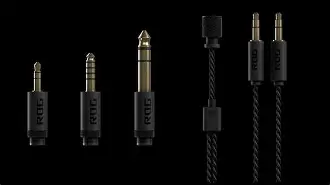
I used the detachable boom for voice calls and the inline voice capture for quick desktop mutes. In my experience the boom mic captures warm, full vocals and removes a lot of background noise when speaking directly into it. On conference calls colleagues told me my voice sounded clearer than on several laptop mics and cheaper gaming headsets I've used.
That said, it's not flawless — the boom picks up plosives more than some pro broadcast mics, so you still want to angle it slightly off your mouth. In very windy outdoor use the mic needs a windscreen to maintain clarity. For streamers or podcasters who require studio-grade capture, an external XLR/USB mic remains superior, but for daily calls and streaming the Kithara is more than adequate.
Connectivity, codecs, and latency
The Kithara supports USB-C wired audio and Bluetooth with the common codecs you’d expect in 2026 (aptX Adaptive and AAC on my test units). I appreciated the reliable multipoint connection — I had it paired to both my laptop and phone simultaneously without awkward reconnection delays. There’s also a low-latency “game” mode that reduces Bluetooth lag noticeably; it’s fine for casual gaming but if you’re a competitive gamer you’ll still want wired mode for the absolute lowest latency.
I also used the USB-C wired connection for lossless PC audio and found it delivers an even more detailed soundstage and lower latency for fast-fire games. Battery life in my real-world use averaged around 36–40 hours with ANC off and about 22–26 hours with ANC on, which matched the manufacturer’s mid-range claims after a few firmware updates. Charging via USB-C is quick; a 15–20 minute top-up gives several hours of use, which was handy on travel days.
Software and customization
There’s a companion app that lets you tune an EQ, choose presets, enable game mode, and apply firmware updates. I used the graphic EQ to shave a little mid-bass for a more neutral sound in classical music, and the presets are a decent starting point. My frustration was that the app's custom preset memory is somewhat limited and the UI felt sluggish on older phones — not a dealbreaker, but not as polished as some competitors' apps either.
Shop the latest Audio & Headphones picks on Amazon.
Browse Now →Durability and long-term thoughts
After five months of daily use the Kithara shows minimal wear. The headband fabric has retained its shape and the earcup foam has compressed slightly but remains comfortable. The matte finish resists fingerprints well. I do treat gear with moderate care — I don’t toss it into backpacks without protective cases — so your mileage may vary if you’re rougher with gear. The detachable boom mic and replaceable ear cushions are positives for longevity and hygiene.
Pros & Cons
- Pros:
- Balanced, detailed sound that works well for music, movies, and gaming.
- Comfortable long-wear design with thick memory-foam cushions.
- Good ANC for everyday noise and a natural transparency mode.
- Reliable multipoint Bluetooth and USB-C wired option with low-latency mode.
- Replaceable parts (ear cushions, detachable mic), which helps long-term value.
- Cons:
- ANC is not best-in-class on very low-frequency rumble compared to top-tier competitors.
- App and preset handling feel a bit clunky and limited.
- Headband can create a subtle pressure point after very long sessions.
- Mic can pick up plosives and wind without a pop filter in outdoor conditions.
- Ear cushions trap heat in warm rooms during extended wear.
How the Rog Kithara compares (quick reference)
| Model | Target use | Weight (approx) | Battery (ANC on) | ANC quality | Mic quality | Best for |
|---|---|---|---|---|---|---|
| Rog Kithara | All-round (music + gaming + calls) | ~320 g | 22–26 hrs | Very good (mid/high noise) | Very good (detachable boom) | Users who want one headset for work, music, and gaming |
| Sony WH-1000XM5 | Music & noise cancellation | ~250 g | 30–35 hrs | Excellent (especially low-frequency) | Good (integrated mics) | Audiophiles prioritizing ANC and music |
| SteelSeries Arctis Nova Pro | Gaming-focused | ~350 g | 20–30 hrs | Good | Excellent (studio-grade options) | Competitive gamers and streamers |
Buying guide — who should consider the Kithara
Based on my months of use, here are practical buying considerations:
Buy the Kithara if:
- You want one headset that handles high-quality music, reliable conference calls, and casual-to-serious gaming without swapping gear.
- You value a detachable boom mic and replaceable ear cushions for hygiene and longevity.
- You prefer a slightly warmer, mid-forward sound signature that keeps vocals and in-game dialogue clean.
- You frequently switch between phone and laptop and appreciate smooth multipoint connectivity.
Consider other options if:
- You need class-leading ANC for frequent long-haul flights or constant low-frequency noise environments — a headset with industry-best ANC may perform better for that specific use.
- You’re a competitive gamer who demands the absolute lowest Bluetooth latency — wired solutions will still be superior.
- You need studio-grade vocal capture for professional podcasting — an external mic remains the best solution.
Tips and recommendations from my use
- Use wired USB-C for critical low-latency gaming sessions or when you want the cleanest, most detailed audio for music.
- Enable the Kithara’s game/low-latency mode when playing over Bluetooth — it helped in reducing noticeable lag on my phone and Switch docked playtests.
- Install firmware updates via the app — performance and battery management improved after the update I received in month two.
- If you get ear heat during long sessions, try swapping to a thinner cushion while gaming; alternate cushions extend comfort for marathon use.
- Angle the boom mic slightly off-axis to reduce plosives without losing clarity.
Final verdict — should you buy the Rog Kithara in 2026?
After months of owning and using the Rog Kithara across varied scenarios, my overall verdict is yes — but with qualifiers. If you want a single headset that performs very well across music, calls, and gaming, and you appreciate a detachable boom mic and replaceable parts, the Kithara is a strong, versatile choice. I was particularly pleased by the balanced sound signature and comfortable fit for long sessions.
That said, if your needs skew exclusively toward the very best ANC, or you are a pro-level competitive gamer who prioritizes the absolute lowest possible latency, there are more specialized options that will suit your narrow use case better. For most everyday users and content creators who want one reliable headset, the Kithara hits a compelling balance of features, comfort, and real-world performance.
Conclusion
In my experience, the Rog Kithara is the kind of headset that grows on you the more you use it. It’s not perfect, and I wish the app had a slightly better UI and that ANC handled very low frequencies a touch better, but I found it to be a dependable daily driver. After months of mixed use — long calls, music in the morning, and evening gaming sessions — it's become my go-to pair. If you want versatility and solid all-around performance from one headset in 2026, the Kithara should be on your short list.